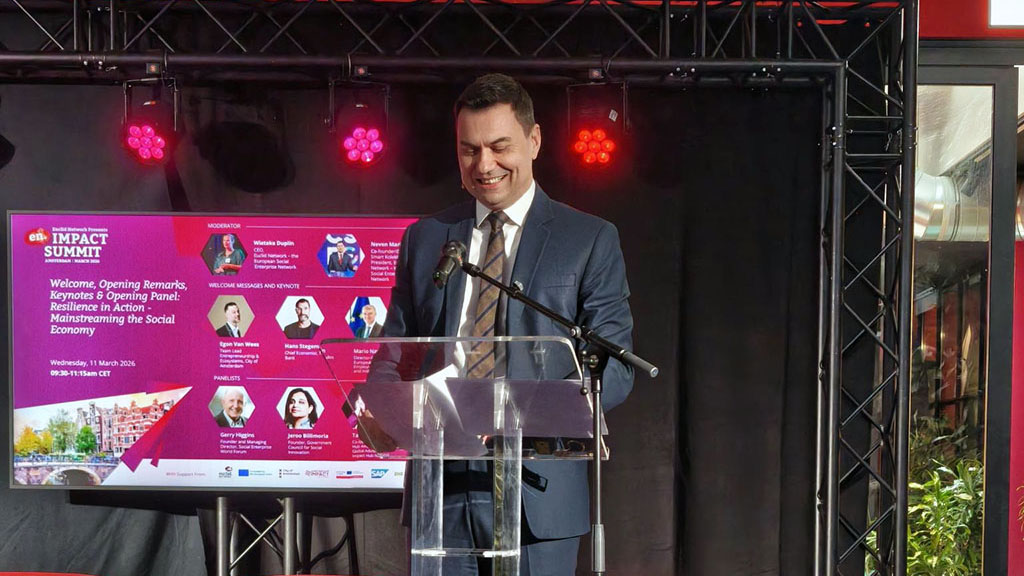
Smart Kolektiv participated in the Impact Summit 2026, held on March 11–12, 2026 in Amsterdam and organised by the Euclid Network. The two-day event brought together social economy leaders, international networks, foundations, impact investors, companies, academics, and policymakers from across Europe and beyond, with the aim of strengthening collaboration and knowledge exchange within the sector.
The Summit was opened by Neven Marinović, Director of Smart Kolektiv and President of the Euclid Network, who highlighted the importance of collaboration, innovation, and collective action at a time when the social economy ecosystem is facing complex global challenges.
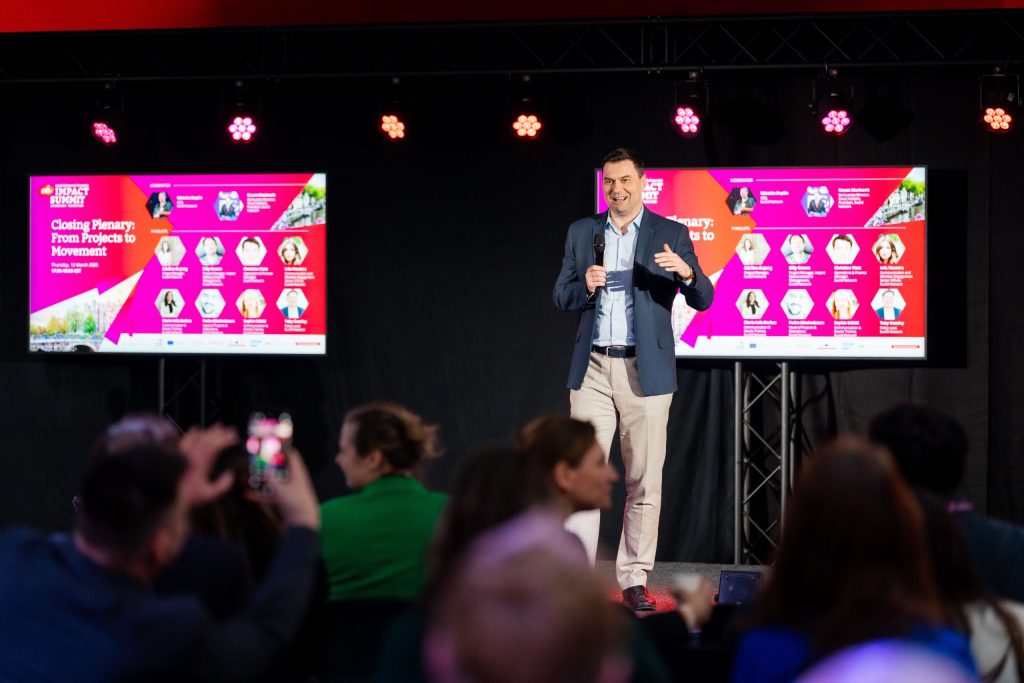
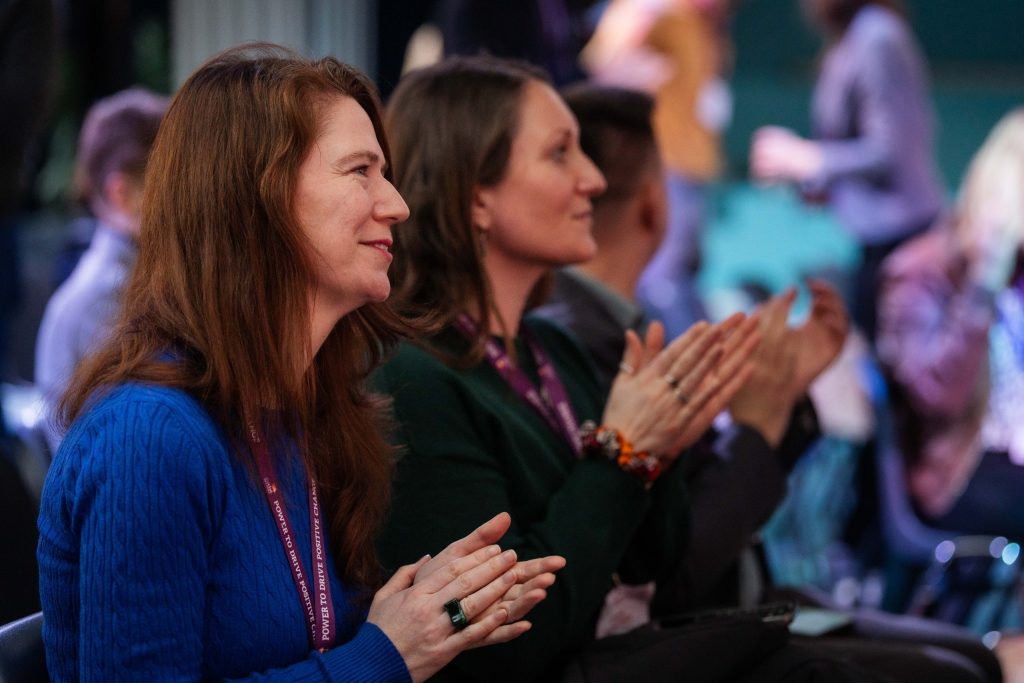
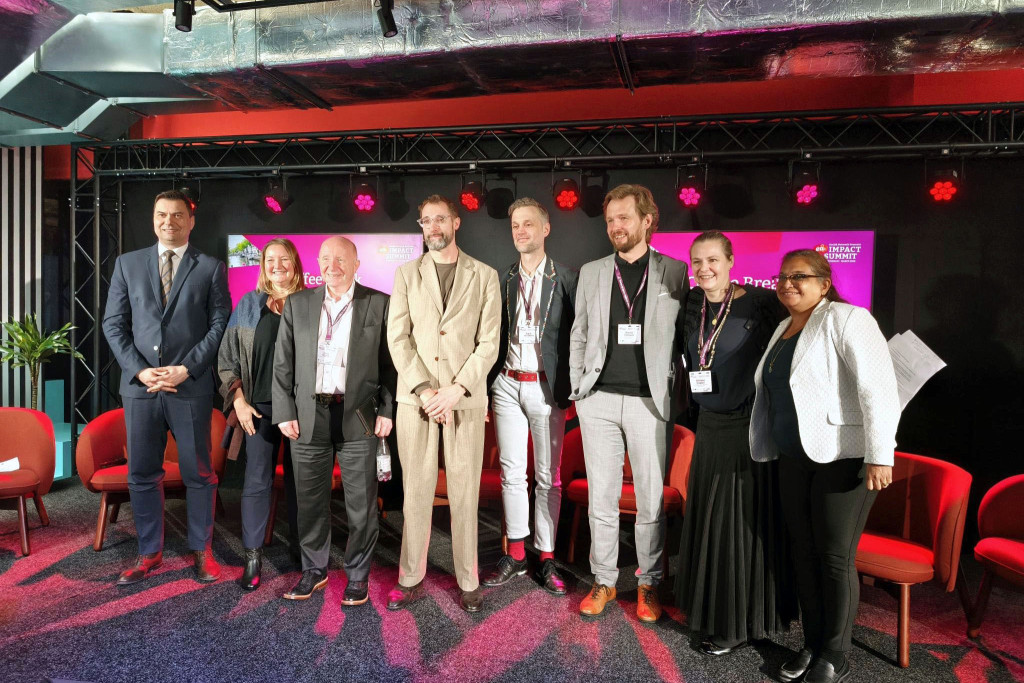
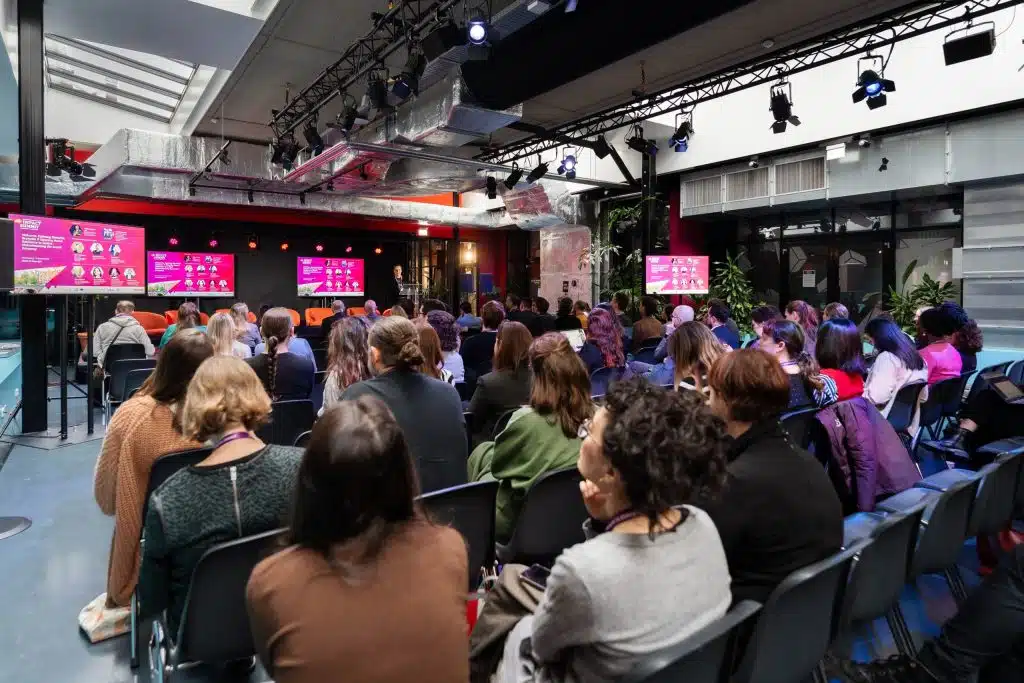
Under the theme “Resilience in Action: Mainstreaming the Social Economy”, participants explored key topics shaping the future of the social economy. The main topics included impact measurement and management, social procurement and the BuySocial campaign, digital transformation and artificial intelligence, social innovation ecosystem development, and current EU policy directions. These discussions particularly highlighted the need for greater collaboration, piloting new concepts and continuous learning in order to respond to complex societal challenges.
Željko Mitkovski from Smart Kolektiv also took part in the Summit, contributing insights from Serbia and the Western Balkans, particularly on the development of social entrepreneurship ecosystems. Among the topics discussed was the “Invest for Change” initiative, implemented by Smart Kolektiv in partnership with Impact Europe and regional partners, with the support of the European Union.
The programme also featured examples of ecosystem development from cities such as Amsterdam, The Hague, Hamburg, and Turin, as well as key EU-level initiatives, including the Social Economy Action Plan and the European Social Enterprise Monitor (ESEM), the largest European research on social enterprises currently underway (find out more here). Discussions highlighted the continued importance of EU funding and philanthropy, alongside the need for stronger and more consistent national-level policies.
Beyond the formal sessions, the Summit created space for meaningful connections, networking, and the development of new collaborations, reaffirming that the strength of the social economy lies not only in individual initiatives, but also in the networks and ecosystems that support them.
Smart Kolektiv’s participation in the Summit reaffirms its active role in advancing the social economy in the region and contributing to stronger connections among European stakeholders.