May 31, 2024 – The Tenth Social Innovation Forum, the largest conference of its kind in our country and the region, brought together social entrepreneurs, innovators, young entrepreneurs, representatives of organizations, companies, and international organizations today, who shared their experiences and perspectives on the development of the social economy in our region through engaging discussions.
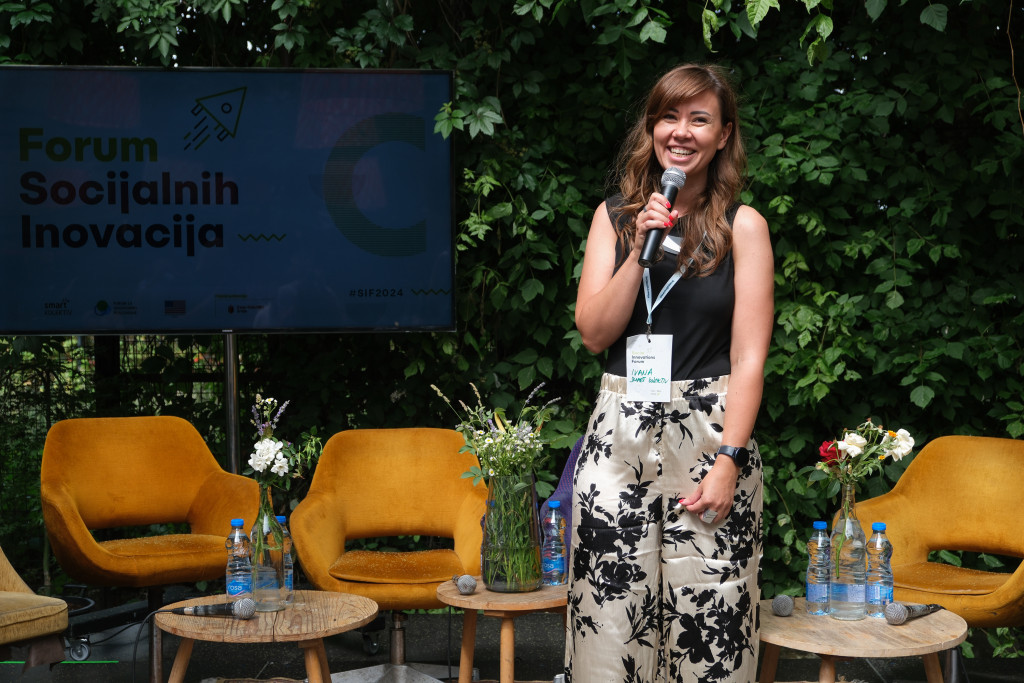
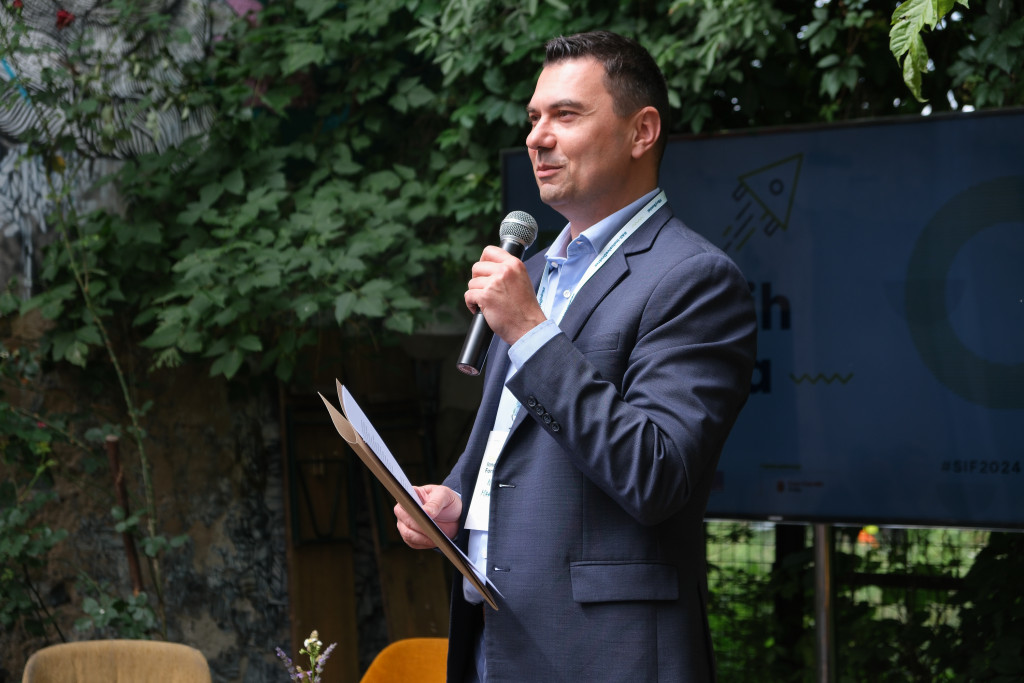
At the opening of the conference, the participants were greeted by the event organizers, representatives of Smart Kolektiv – Program Director Ivana Stančić and Director Neven Marinović. They expressed their satisfaction that after ten years, despite numerous difficulties, significant progress in this field can now be observed both in Europe and in the country. Neven Marinović highlighted the importance of the Social economy action plan adopted in 2021 by European Commission, adding: “Together with domestic and international partners, as well as EU representatives in the country and other donors, we strive to integrate this plan into the development agenda for the Western Balkans. After many years, we received the first liberal law in the region that provides great freedom for actors in the social economy. Thanks to the joint work of the civil sector, the state, and organizations such as Naled and Korse, we are now preparing an action plan for its application and implementation. There are more and more financial instruments that contain elements of sustainability and inclusive, or green growth, so we can expect the support ecosystem to become stronger and more complex.”
This year’s Social Innovation Forum provided insights into the current trends in the development of the social economy and demonstrated through numerous examples how a multi-stakeholder approach can find solutions for a wide range of areas such as rural development, social procurement, social impact financing, and creating national frameworks for development. The event highlighted significant advancements in supporting social enterprises but also identified several challenges that need to be addressed in this context. The need for further connectivity, mutual support, joint work, and information exchange was particularly emphasized to effectively address these challenges and achieve a stronger positive impact on the community.
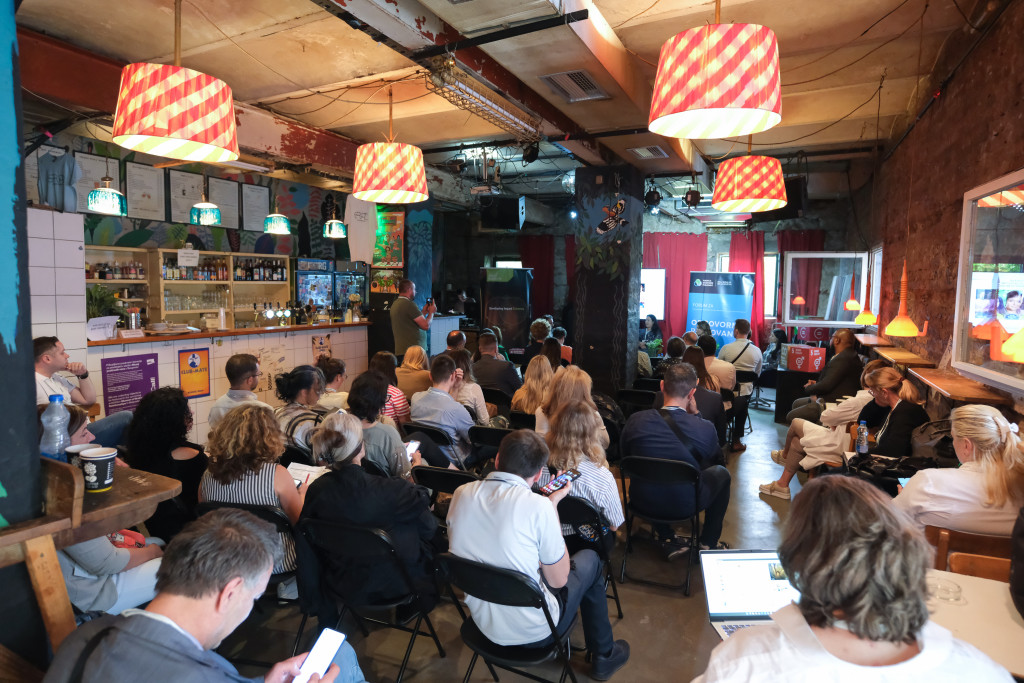
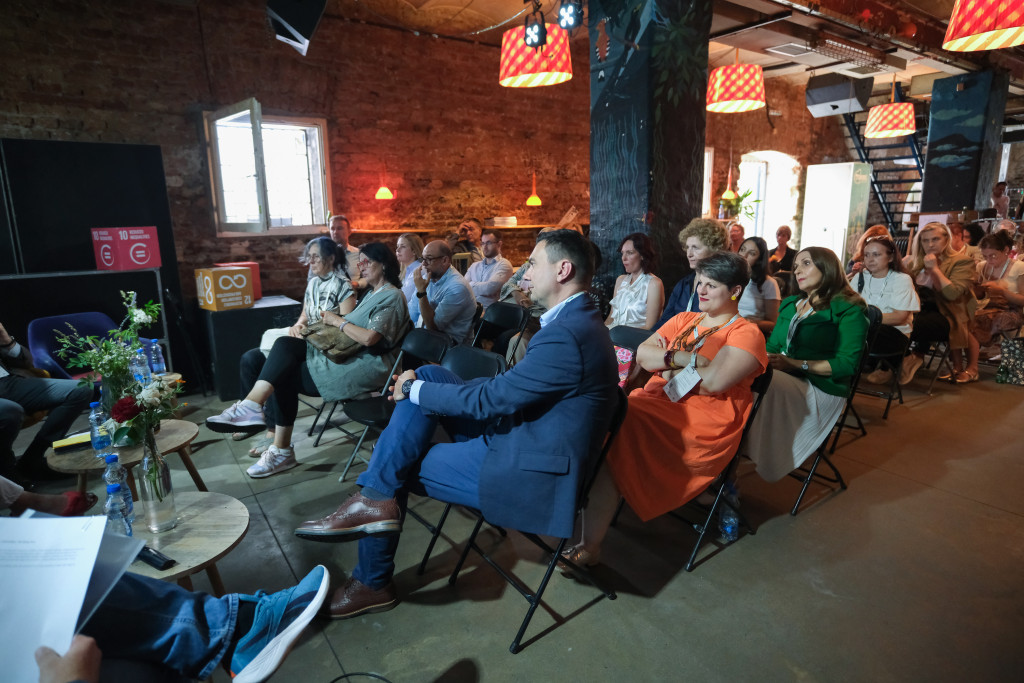
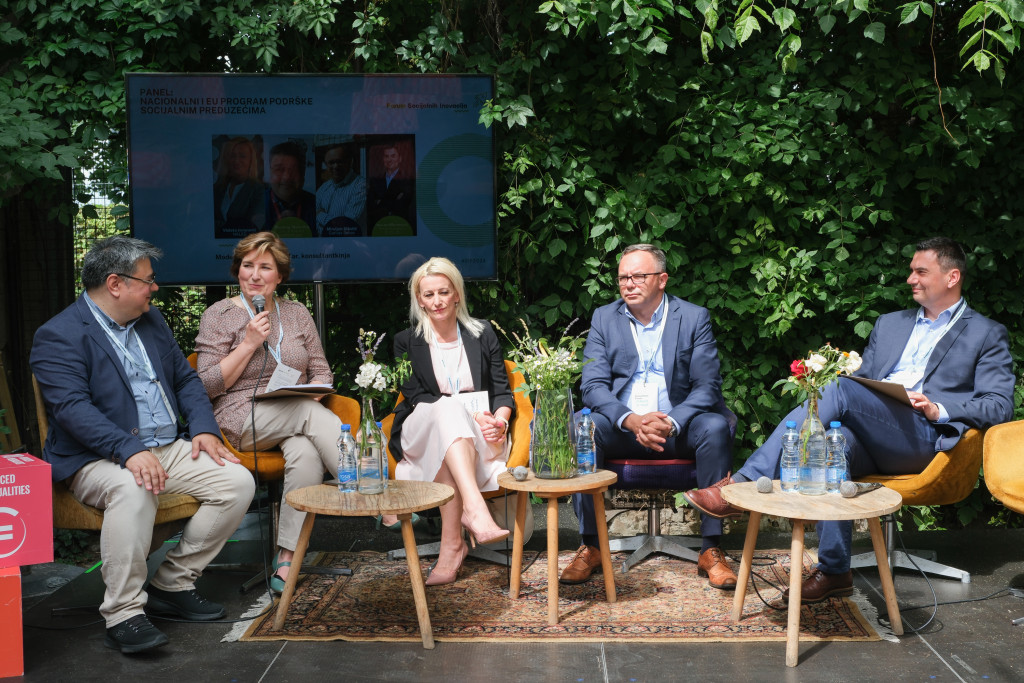
The necessary support mechanisms for the growth and development of social enterprises were discussed in the first panel discussion. Participants in this session, including Miodrag Shrestha, expert on social entrepreneurship from Social Impact Consulting; Miroljub Nikolić, social entrepreneur from the ‘Avlija održivog razvoja’ (Sustainable Development Yard) and ‘Socijalna sinergija’ Social Synergy, and president of the section for social entrepreneurship at the Chamber of Commerce of Serbia; Neven Marinović, director of Smart Kolektiv and president of the Euclid network; and Violeta Jovanović, executive director of NALED, reflected on the Social Entrepreneurship Law, the Social Entrepreneurship Support Program, and the European Action Plan for the Social Economy, particularly focusing on the roles played by different actors in the social economy ecosystem.
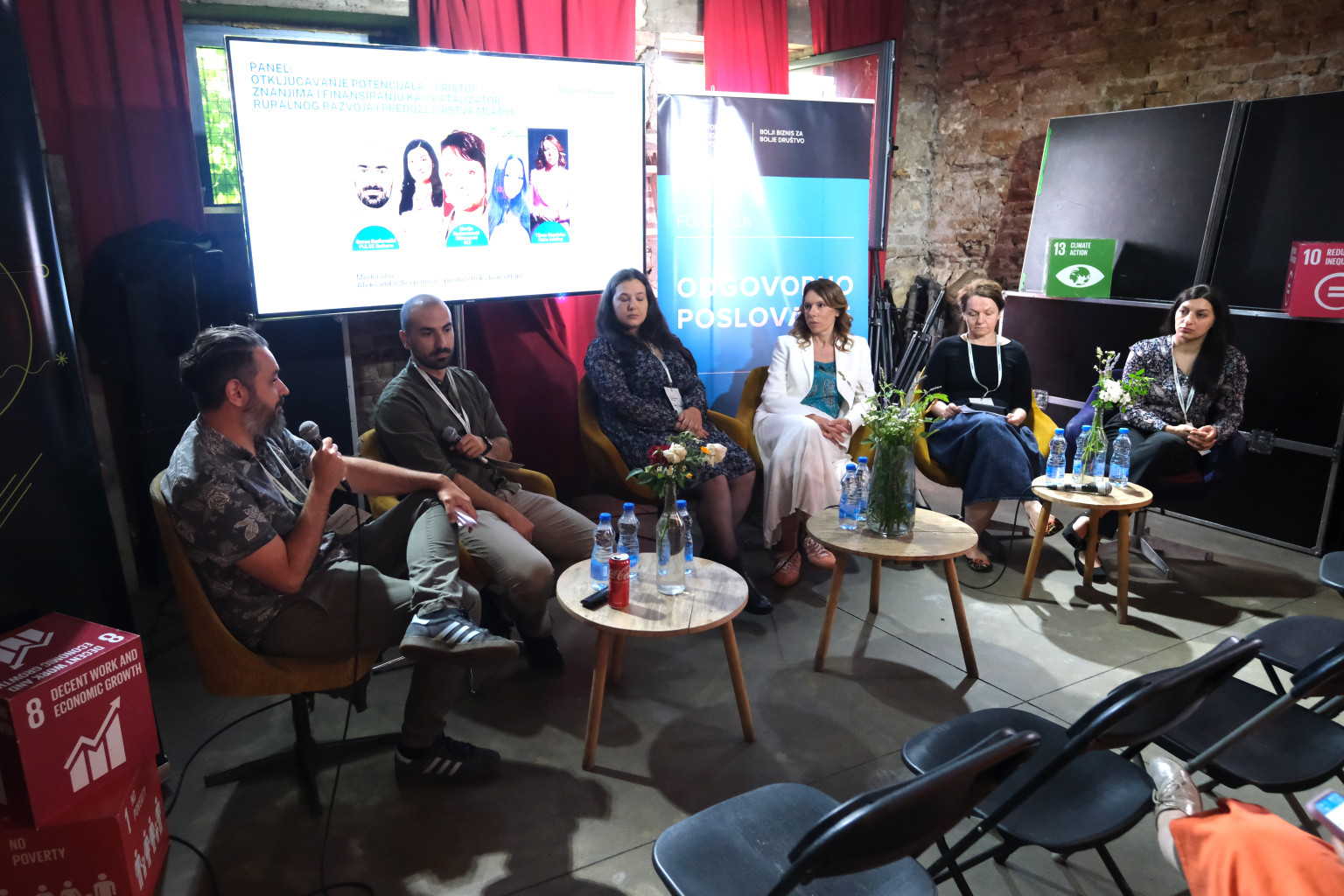
The next panel was dedicated to the development of entrepreneurship among young people and other vulnerable groups in rural areas, with a special focus on adequate professional and financial support for their encouragement. Participants included Goran Radlovački, director of PULSE Balkans, who presented the “RISE Regional Incubator for Young Social Entrepreneurs” project; Jelena Kasumović, regional manager of REDI, with the project “Economic Inclusion of Roma and Other Vulnerable Groups in Southern Serbia”; Marija Radovanović Niklanović, project leader from the German Organization for International Cooperation (GIZ), who presented the project “Perspectives for Youth in Rural Areas in Serbia”; Selena Jovanović, entrepreneur from the Sunčev breg Rural Tourist Household; and Tijana Koprivica, chief business sustainability officer at Delta Holding, who presented the project “Our Village.”
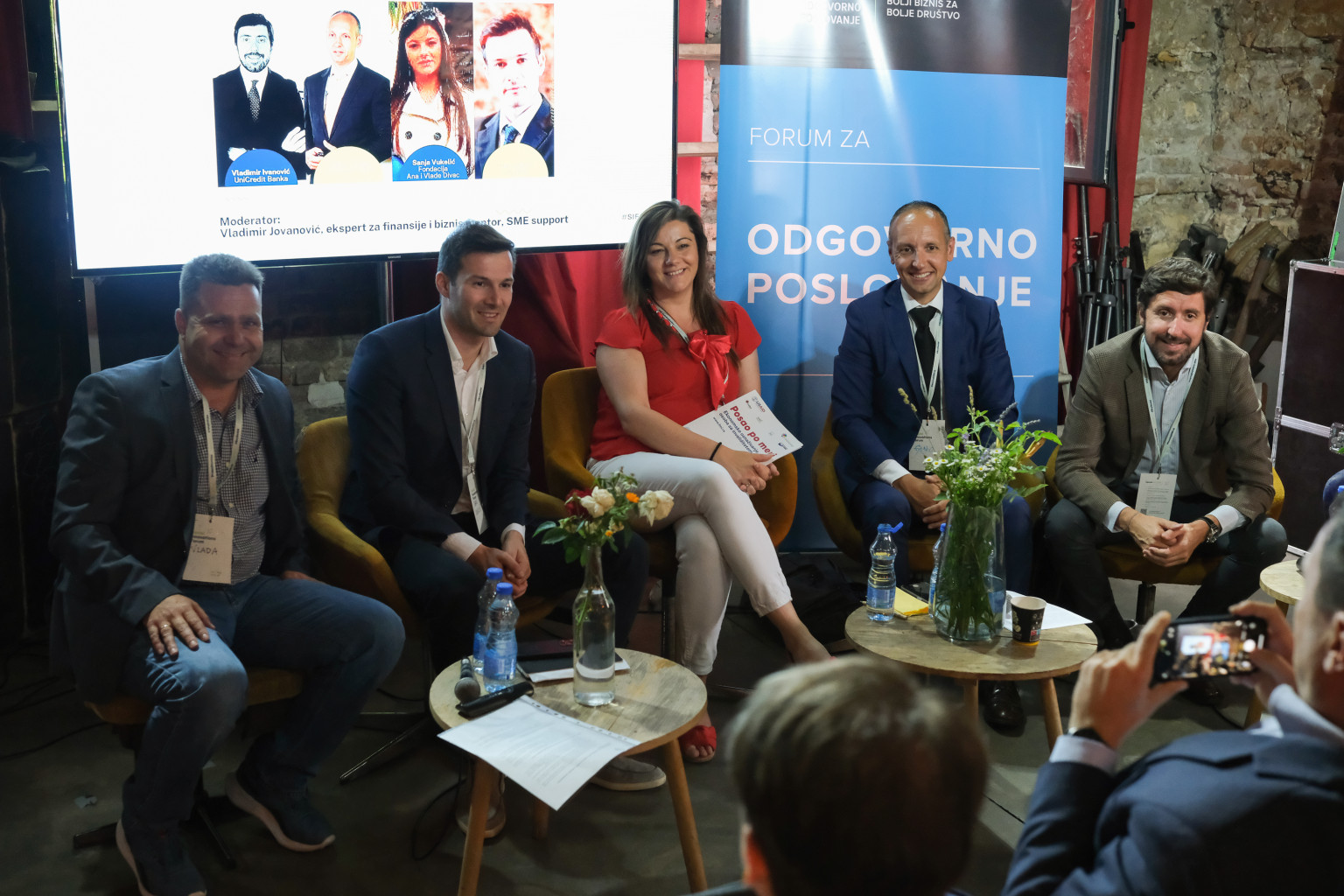
The topic of inclusive employment and the importance of adequate financing such as specialized credit lines was discussed by Vladimir Ivanović, Head of SME at UniCredit Bank; Gojko Vučinić, consultant from Glenfield Training and Consulting; Sanja Vukelić, PR manager from the Ana and Vlade Divac Foundation; and Ivan Vuksić, manager at Vending doo. On this occasion, participants concluded that financial instruments for inclusive employment can significantly contribute to greater social impact among micro, small, and medium enterprises.
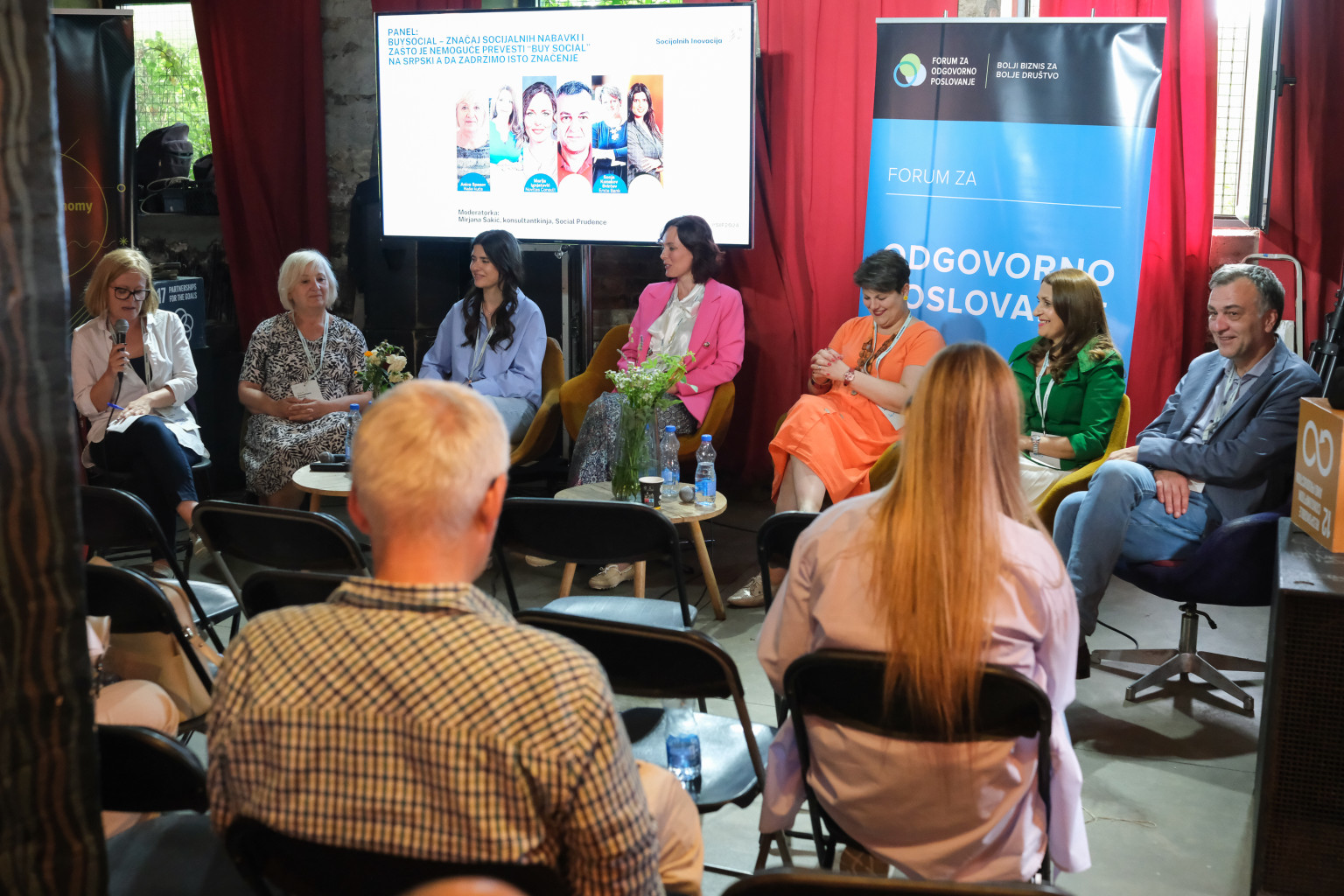
The conference also dedicated a panel session to the topic of social and sustainable procurement, which represents one of the significant mechanisms for sustainable business development of social enterprises. Discussions on how to support both traditional and social enterprises to develop more of these partnerships included Anica Spasov, director of ‘Naša Kuća’ and ‘Kuhinja na točkovima’ (the Kitchen on Wheels); Margareta Musić, director of corporate communications and manager of the Elixir Foundation; Marija Ignjatović, director of Novitas Consult, a company for professional rehabilitation and employment of persons with disabilities; Nenad Krstić, director of Evrokontakt and the Kruševac Center for Social Entrepreneurship; Sonja Konakov Svirčev, CSR, diversity, and inclusion manager at Erste Bank; and Zvezdana Vuletić, community partnerships manager at Coca-Cola HBC Serbia and Montenegro.
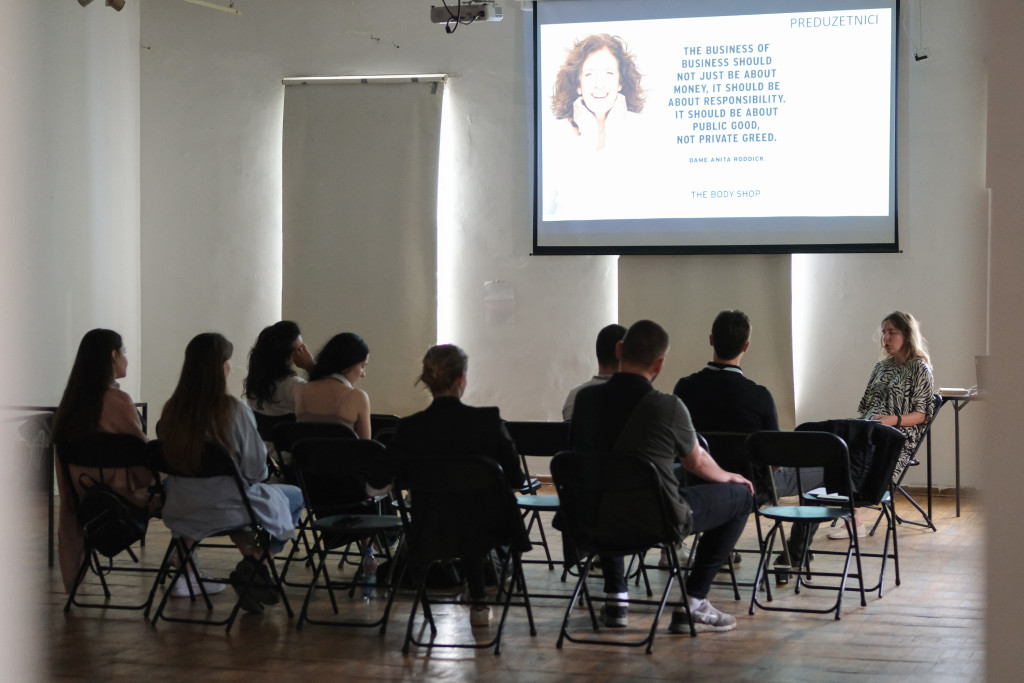
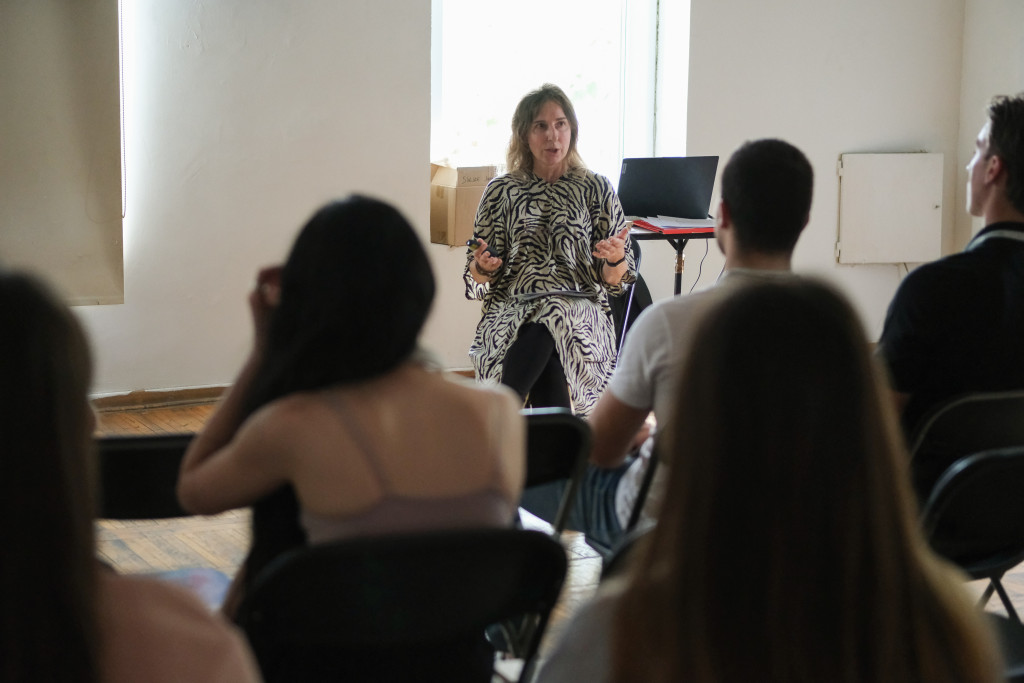
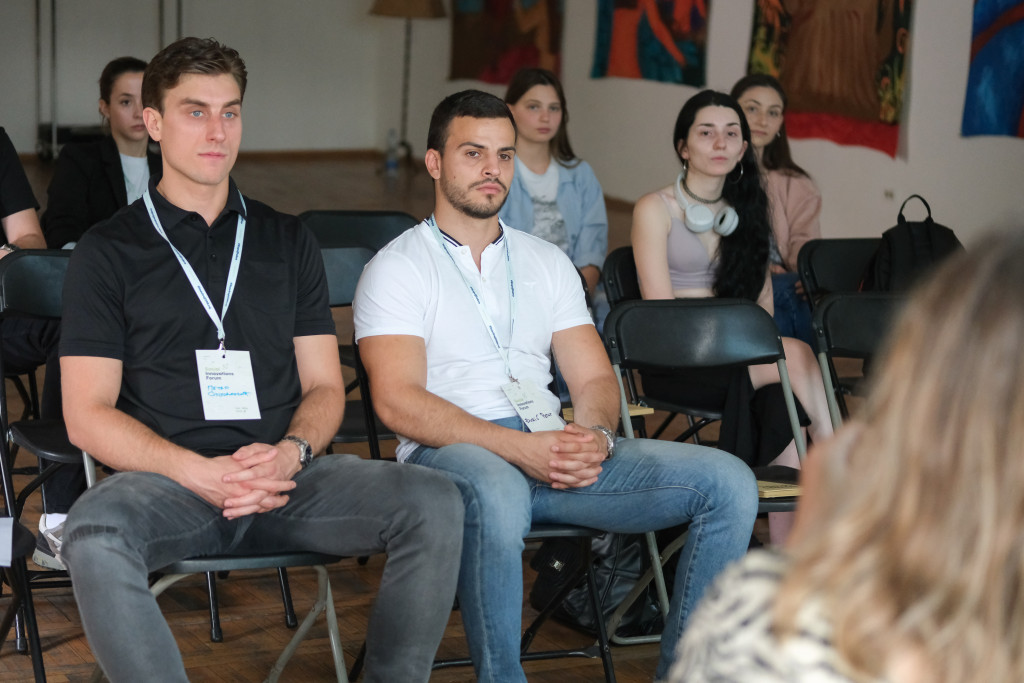
During the event, a “Design Thinking” workshop was held where young people had the opportunity to familiarize themselves with this method for creative problem-solving as well as the process of developing entrepreneurial ideas.
The conference was organized by Smart Kolektiv and the Responsible Business Forum, and supported by the U.S. Embassy in Serbia. The friend of the conference was Coca-Cola HBC Serbia.