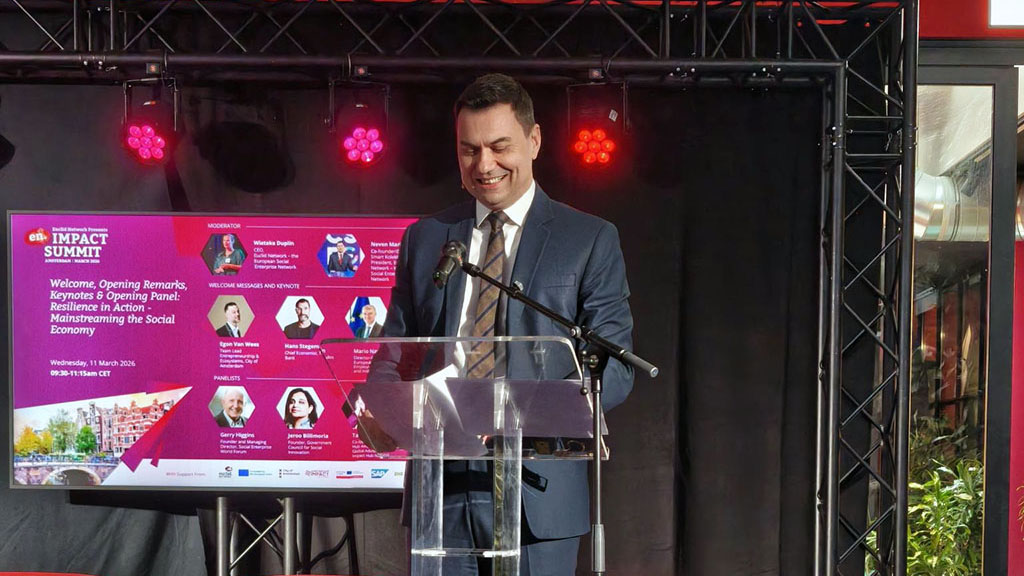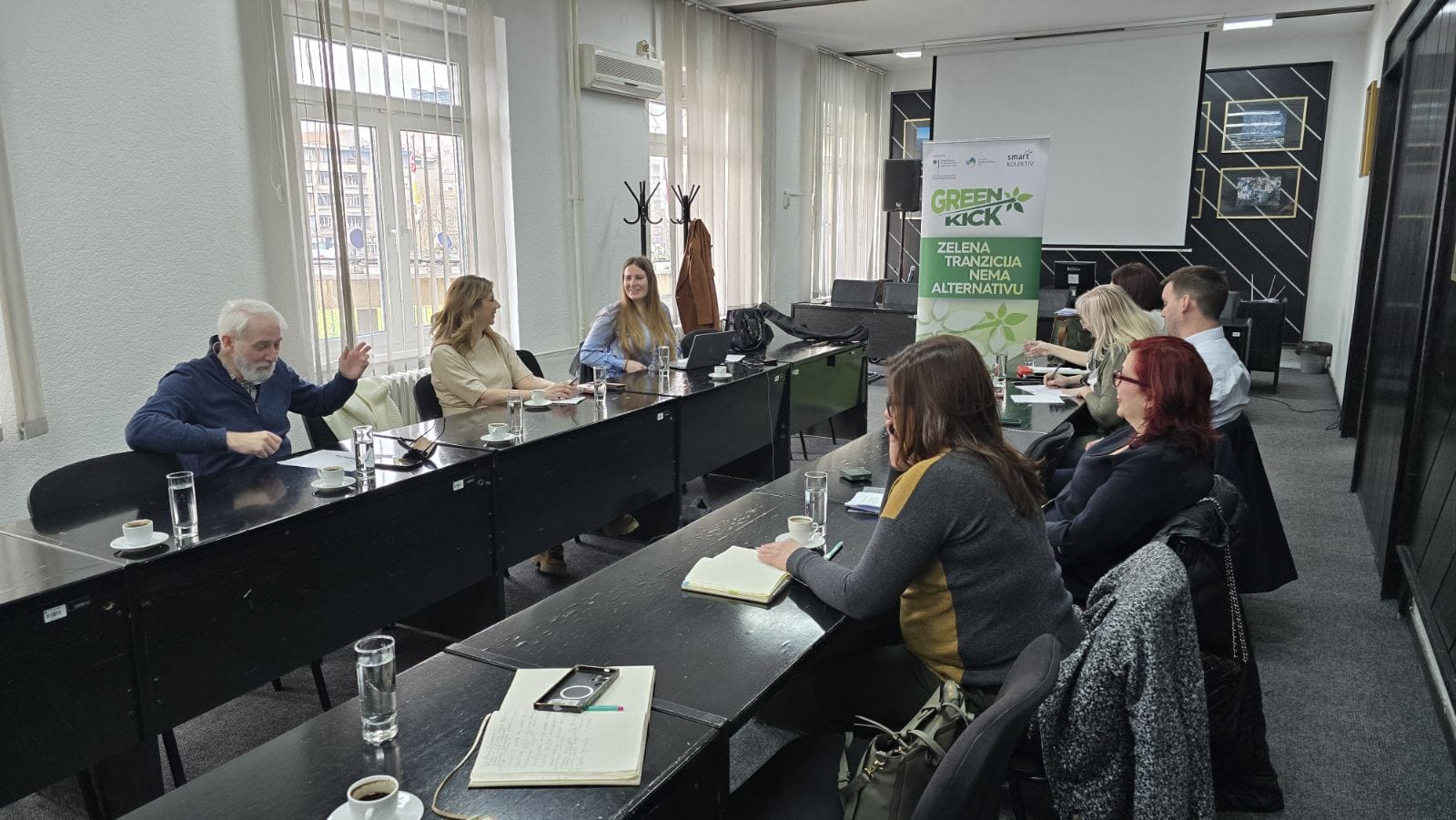
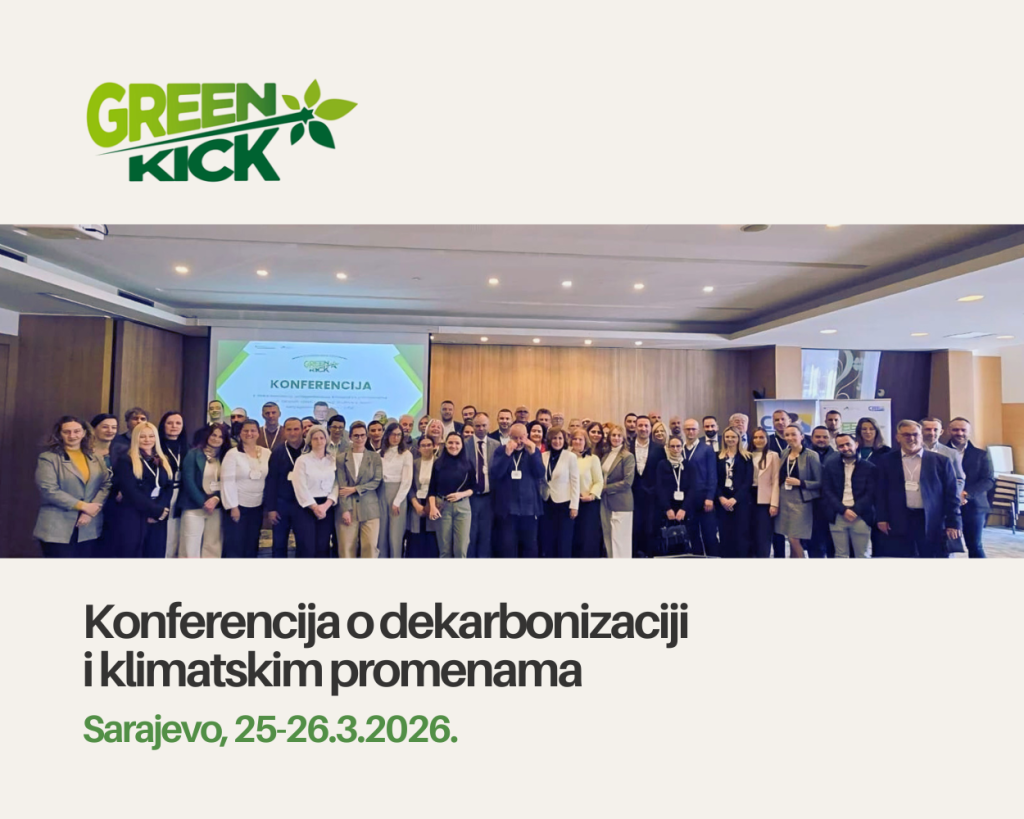
As part of the Green Kick project, a regional conference dedicated to decarbonization, climate change adaptation, and the role of local authorities and civil society was held on March 25–26, bringing together participants from Bosnia and Herzegovina, Montenegro, and Serbia. The event gathered representatives of institutions, local self-government units, civil society, as well as international and academic communities from all three countries.
During the conference, the most important project results were presented, with a special focus on the analysis of the impacts of 16 developed SECAPs (Sustainable Energy and Climate Action Plans) in Bosnia and Herzegovina, Montenegro, and Serbia. These plans are the result of joint efforts by local self-government units (LSGs) and civil society organizations (CSOs) involved in the implementation of the project.
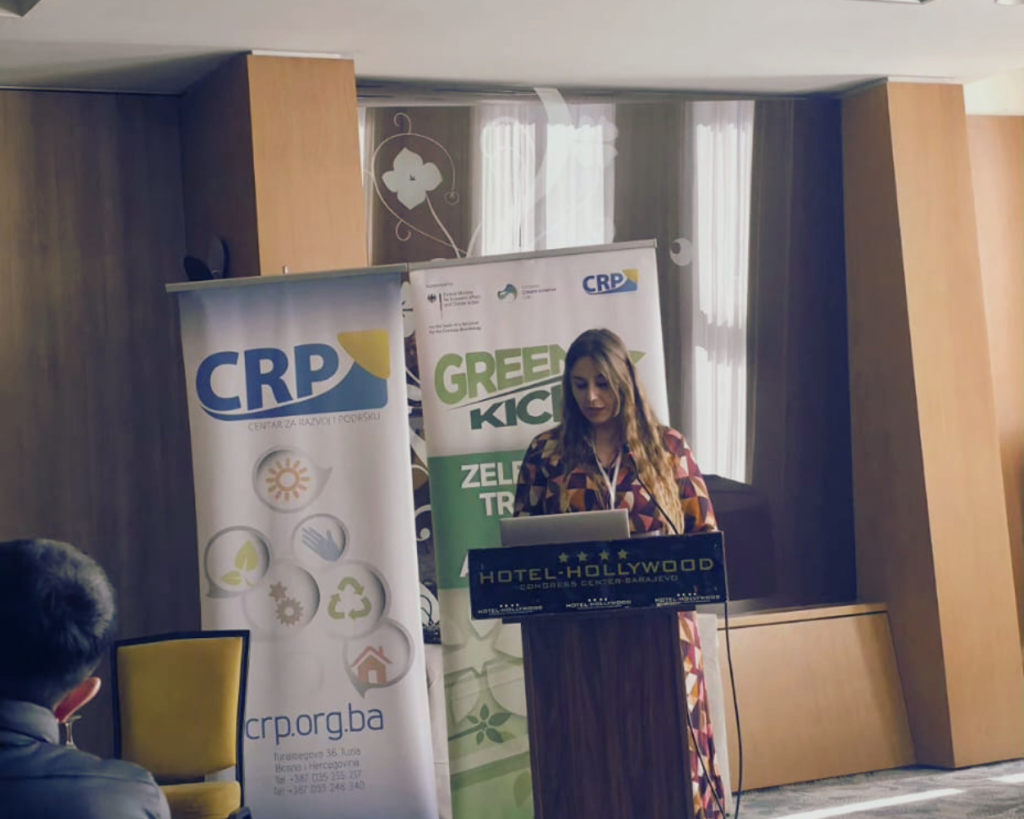
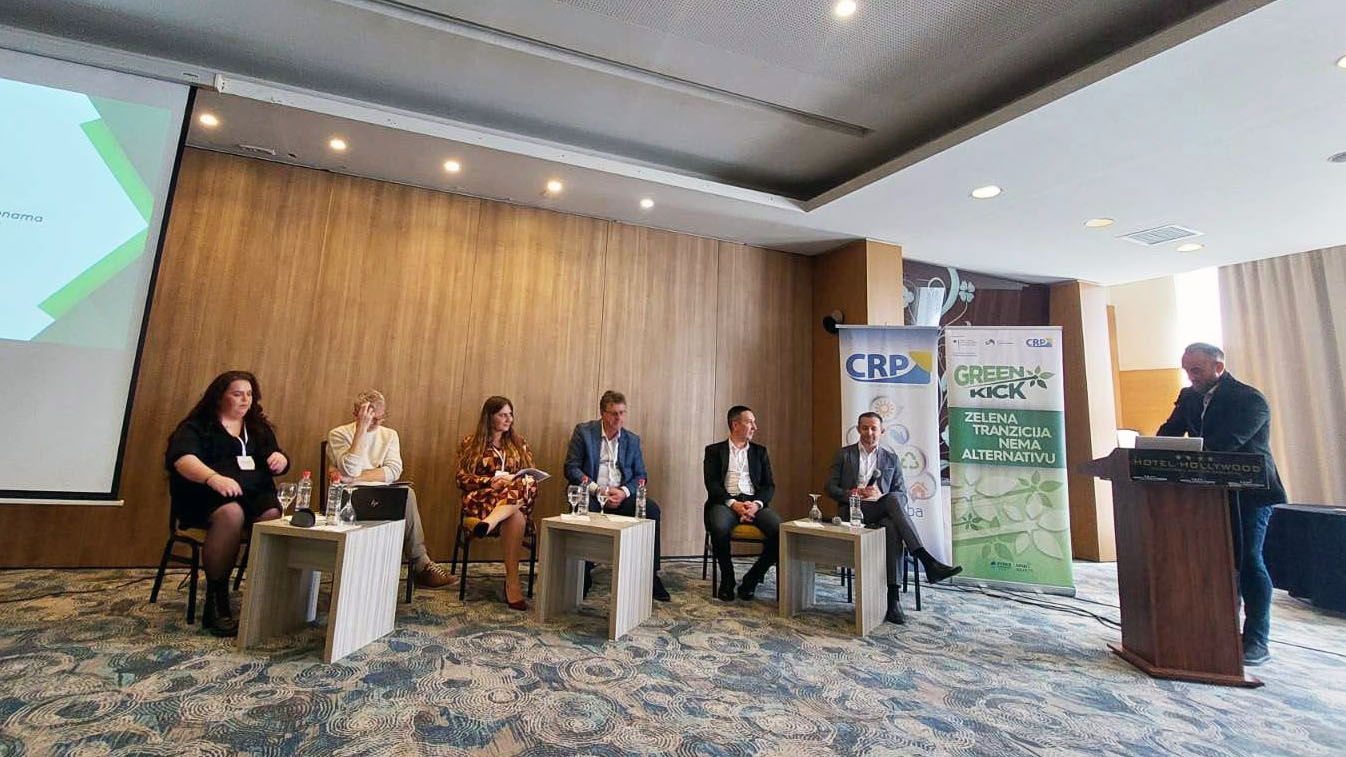
Special attention was given to a panel discussion on the experiences and challenges of cooperation between LSGs and CSOs in the development of SECAPs. Panel participants, including Tanja Vučetić from Smart Kolektiv, highlighted challenges such as limited data availability and insufficient capacities, but also noted visible progress and a growing level of initiative at the local level. Participants also exchanged ideas on the prospects and opportunities for cooperation between LSGs and CSOs in the region, while presenting concrete examples of local green solutions and pilot projects.
In the final part of the conference, recommendations were formulated to improve cooperation between local self-government units and civil society organizations. Key recommendations include: establishing councils for cooperation between local authorities and CSOs, strengthening cooperation through joint planning and project implementation, ensuring public and transparent access to data alongside adequate public information, organizing joint trainings and capacity-building activities, as well as increasing the involvement of citizens and the private sector.
The Green Kick project supports local governments in Serbia in the process of decarbonization and building sustainable energy systems. The project is implemented by the Center for Development and Support from Bosnia and Herzegovina, in partnership with Smart Kolektiv from Serbia and the Foundation for the Development of the North of Montenegro – FORS Montenegro, and is part of the European Climate Initiative (EUKI), supported by the German Federal Ministry for the Environment, Climate Action, Nature Conservation and Nuclear Safety (BMUKN).