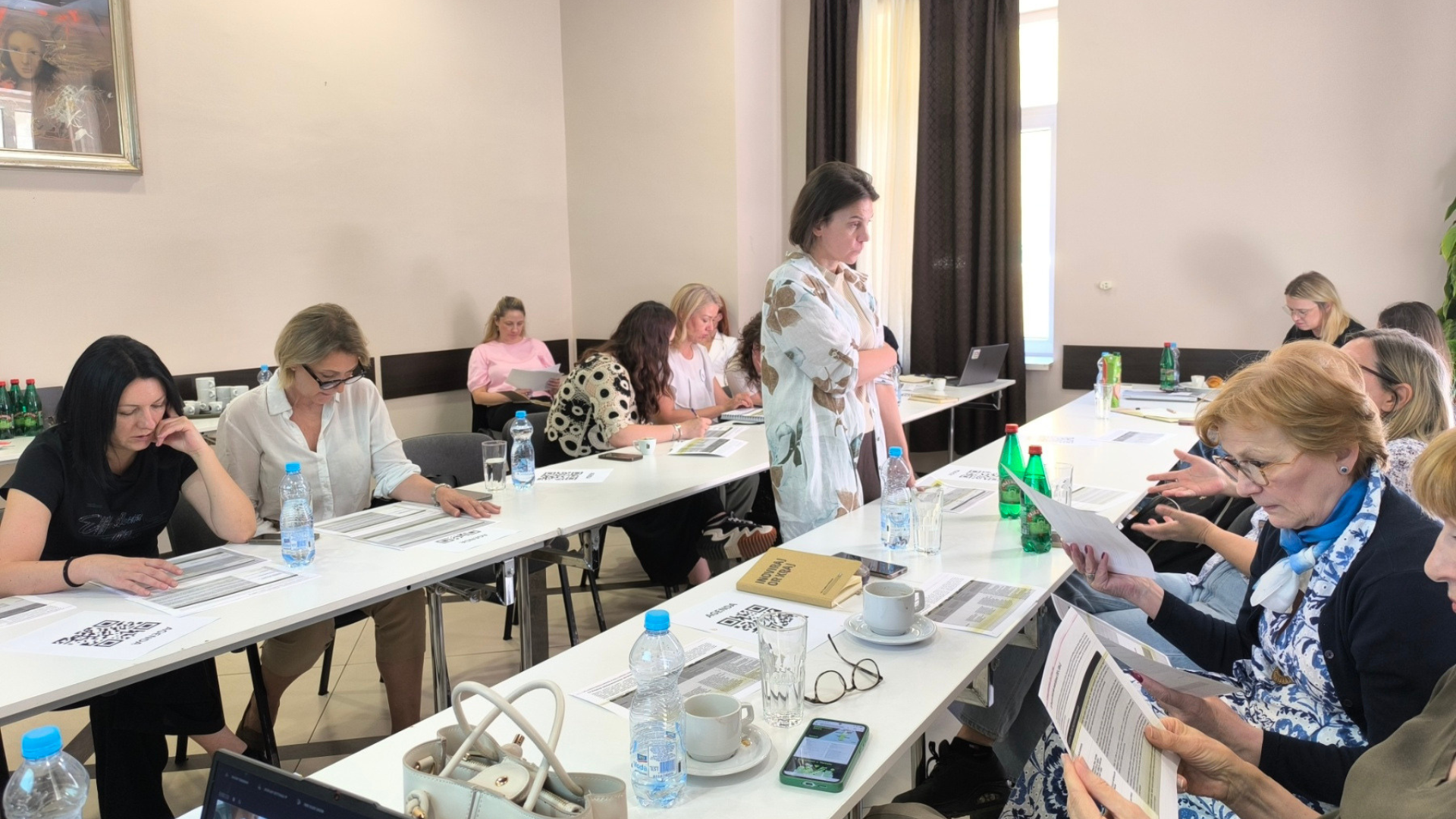
As part of the Green Kick project, the third series of SECAP workshops was held during October and November with local self-government units – Kragujevac, Šid, Novi Pazar, Smederevska Palanka, Vrnjačka Banja and Petrovac na Mlavi. The workshops focused on the presentation of baseline and current emission inventories, the assessment of climate change risks and energy poverty, as well as proposed measures for achieving SECAP targets.
Participants were presented with emission calculation results for the baseline year and for 2024, covering the sectors of buildings, public lighting, transport, water supply and wastewater infrastructure, and waste management, along with proposed measures aimed at reducing CO₂ emissions by at least 55%. The workshops also included assessments of hazards, exposure and vulnerability of local sectors to climate change, as well as measures to strengthen adaptive capacity.
A special part of the workshops was dedicated to assessing the prevalence of energy poverty at the local government level and presenting potential mitigation measures, contributing to a comprehensive approach to sustainable energy and climate policy planning at the local level.
The workshops were held in:
Kragujevac on October 23, Šid on October 27, Novi Pazar on November 4, Smederevska Palanka on November 5, Vrnjačka Banja on November 7 and Petrovac na Mlavi on November 18.
The Green Kick project supports local governments in Serbia in the process of decarbonization and building sustainable energy systems. The project is implemented by the Center for Development and Support from Bosnia and Herzegovina, in partnership with Smart Kolektiv from Serbia and the Foundation for the Development of the North of Montenegro – FORS Montenegro, and is part of the European Climate Initiative (EUKI) supported by the German Federal Ministry for the Environment, Climate Action, Nature Conservation and Nuclear Safety (BMUKN)